
Intentional Living: How to Create a Life You Don’t Need to Escape From

By Wandering Past Limits

What Is Intentional Living?
Intentional living is the practice of making deliberate choices that align with your values, priorities, and goals. Instead of simply “going with the flow” or following societal expectations, intentional living means you actively design your life around what truly matters to you.
This doesn’t mean you have to quit your job, sell everything, and move into an RV (though that’s exactly what my family did). It means you make conscious decisions that reflect what you want your life to look like—whether that’s spending more time with family, prioritizing health, traveling, or pursuing creative passions.
Why Intentional Living Is Important

In today’s fast-paced, achievement-driven culture, it’s easy to slip into autopilot—working long hours, chasing promotions, and postponing joy until “someday.” The problem? Someday isn’t guaranteed.
According to research from Cornell University, when people look back on their lives, they’re more likely to regret the things they didn’t do, rather than the mistakes they made. Intentional living helps you avoid that regret by:
Prioritizing relationships over possessions
Living according to your personal values instead of societal pressure
Finding meaning and fulfillment in everyday life, not just milestones
Who Benefits from Intentional Living?

Families & Parents — Intentional living helps families create stronger connections, shared experiences, and lasting memories. Instead of working around the clock and missing out on the everyday magic, parents are choosing intentional living as an antidote to “hustle culture.” By slowing down, they have the energy and presence to read bedtime stories, take spontaneous road trips, explore new hobbies together, and sit down for dinner without screens. This lifestyle shift allows parents to put family first—making decisions that prioritize time, love, and shared adventures over endless to-do lists and career demands.
Couples — For couples, intentional living can strengthen the relationship by aligning goals, reducing stress, and creating more quality time together. Instead of feeling like two ships passing in the night, partners can share experiences, support each other’s dreams, and build a life that reflects both individuals’ values. Whether it’s traveling the country in an RV, starting a joint business, or simply making time for weekly date nights, couples who live intentionally are more likely to feel connected, fulfilled, and united in their vision for the future.
Individuals — Whether you’re single, partnered, or somewhere in between, living intentionally means you stop living for others’ approval and start living for your own joy and purpose. It’s about designing a life that reflects your personal priorities—pursuing passions, nurturing mental health, and surrounding yourself with people and experiences that lift you up. For individuals, intentional living offers the freedom to create a lifestyle that’s uniquely yours.
The Science Behind Intentional Living

Neuroscience shows that when we slow down and focus on what truly matters, our brain chemistry changes. A 2021 Harvard study found that practicing mindfulness and intentionality increases activity in the prefrontal cortex—the part of the brain responsible for decision-making, emotional regulation, and goal setting.
Research also shows that:
Experiences make people happier than possessions (San Francisco State University)
Time affluence—feeling like you have enough time—increases overall life satisfaction and reduces stress (Journal of Happiness Studies)
Strong social connections are one of the biggest predictors of a long, healthy life (Harvard Study of Adult Development)
Our Journey to Intentional Living

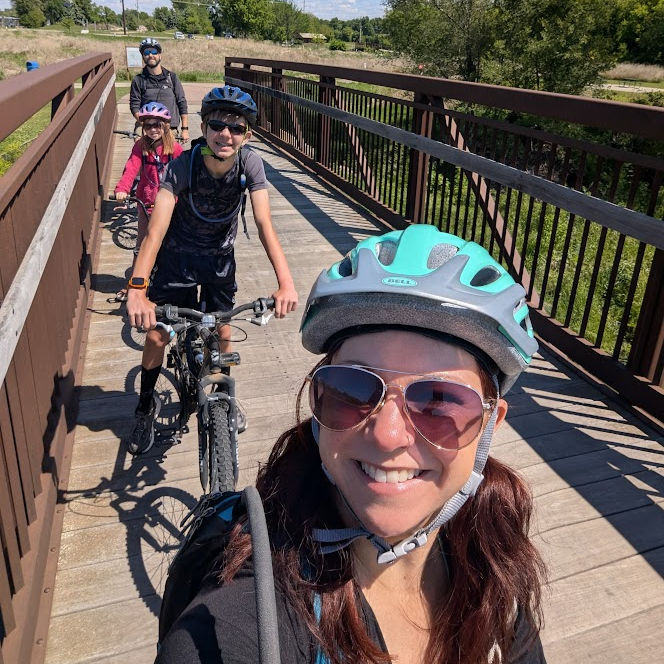
Three years ago, my family traded in our 9-to-5 grind and traditional home for life on the road in an RV. The decision wasn’t just about travel—it was about reclaiming our time while our kids are still young.
We learned the hard way that jobs only value you until they don’t. You can give your all to a company, but when it’s convenient for them, they’ll replace you without hesitation. That realization made it crystal clear: we don’t live to work; we work to live.
By slowing down, we’ve been able to:
Watch our kids grow up in real time, not just in pictures
Explore national parks and historic sites as part of their education
Build a business that supports our lifestyle instead of dictating it
How to Reap the Benefits of Intentional Living
Identify Your Core Values
Ask yourself: What matters most to me? Write it down. This will become your compass.
Simplify Your Commitments
Say no to things that drain you and yes to things that align with your values.
Prioritize Experiences Over Stuff
Plan trips, family nights, or creative projects instead of buying the latest gadget.
Be Mindful of Time
Block out “non-negotiable” time for the people and activities that matter most.
Reassess Regularly
Life changes—your intentional choices should evolve with it.
The Growing Shift Away from Traditional Living

More and more families are rejecting the “work until retirement” model in favor of intentional living. According to a 2023 Pew Research Center study, 36% of Americans are considering nontraditional lifestyles, including RV living, digital nomadism, and homesteading.
This shift is fueled by:
The rise of remote work opportunities
A desire for work-life balance
Burnout from corporate culture
A growing appreciation for time over money
Recommended Tools & Resources
The 5-Minute Journal — Start each day with intentional prompts
RV Living Starter Kit — Everything you need for hitting the road
Mindfulness Meditation App — Reduce stress and stay focused on your priorities
Every Kid Outdoors — Fourth graders and their families get free access to hundreds of parks, lands, and waters for an entire year.
Military Lifetime Pass — Current US military and dependents, Gold Star Families, and US military veterans are eligible to receive free annual or lifetime passes which cover entrance or standard amenity (day-use) fees at national parks, national wildlife refuges, national forests, and other federal recreational lands.
Affiliate Disclosure: This post may contain affiliate links, which means I may earn a small commission if you make a purchase through them—at no extra cost to you. I only recommend products I genuinely love and trust.
Making Every Day Count With Intentional Living
Intentional living isn’t about perfection—it’s about alignment. It’s making choices that bring you closer to the life you want, not the one society says you should have.
We only get so many days. Let’s make them count.
Want to Learn More About Intentional Living?

If you’re inspired to dive deeper into intentional living, I invite you to check out my Intentional Living Series on YouTube. Each week, I interview incredible individuals and families who practice intentional living in their own unique ways—from RV life and minimalism to mindful parenting and creative entrepreneurship.
Hear real stories, get practical tips, and discover fresh inspiration to help you design a life filled with purpose and joy.



Comments